In recent years, evolutionary biologists have proposed theories that explain human culture as an essentially evolutionary adaption. This is a departure from the past that emphasises the natural and evolutionary origins of human culture.
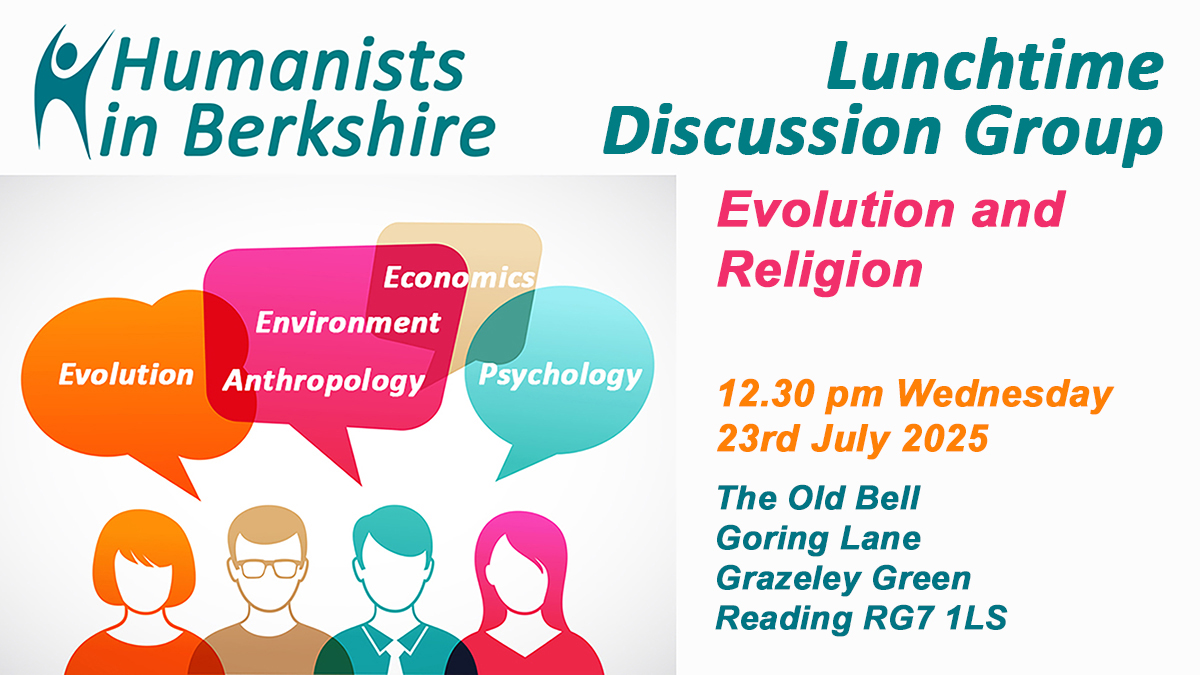
Evolution and Religion
When did humans develop spiritual thought? Is there an evolutionary basis for religion? What role has religion played in human social history? And in our increasingly secular world, why has it endured?
Tribalism: Is it Good or Bad?
Tribalism is often blamed for creating division and conflict in society. Drawing from cultural psychologist Michael Morris’s book Tribal, we’ll explore its origins — where it comes from, what our tribal instincts truly are, and how they’ve shaped human history. In today’s fast-changing world, we’ll examine both the challenges posed by our tribal inheritance and the unique opportunities it offers to drive positive change.
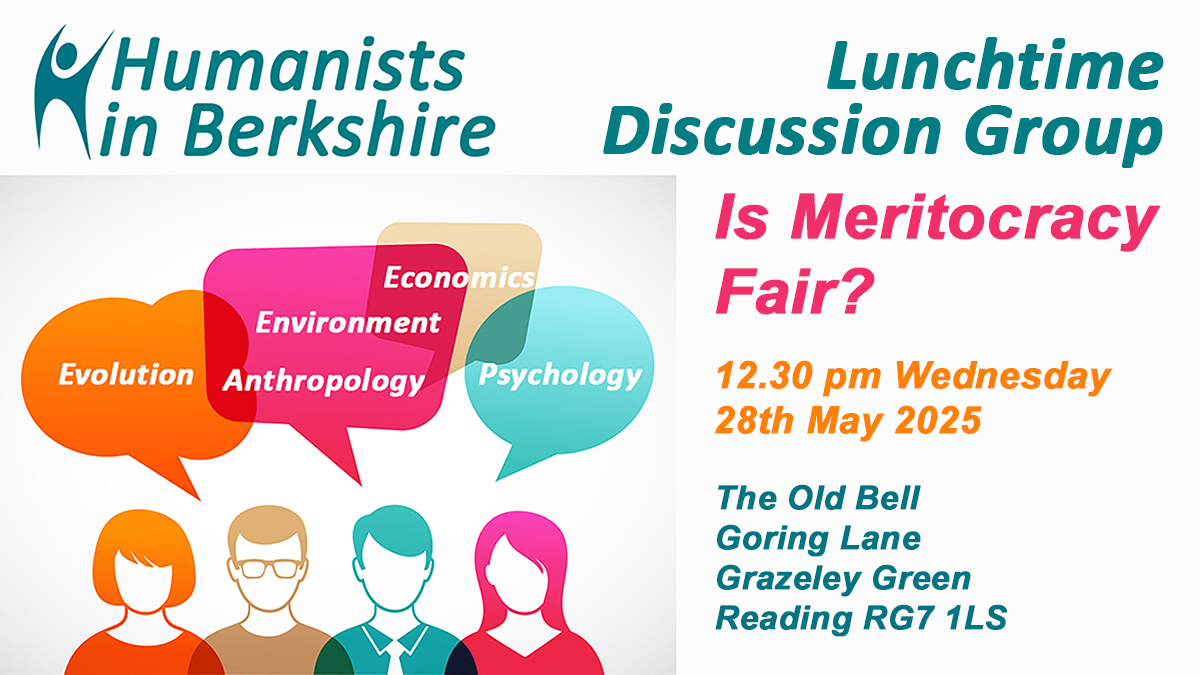
Is Meritocracy Fair?
The question Is meritocracy fair? is raised by Professor Richard Plomin in his book Blueprint: How DNA Makes Us Who We Are. Professor Plomin is one of the world’s leading genetic behaviouralists and his book summarises the lessons of half a century of research into “nature v nurture” His conclusion is that it is both, with nature playing around 50% and nurture the remainder.
Naming Secular Liberal Humanism
At our last meeting there seemed to be good acceptance that what I called Secular Liberal Humanism determines the moral framework of most countries in the West. We also agreed that this is not recognised and celebrated for the force it is. Part of the problem is that it has no recognised name. I was tasked with suggesting some names.
The Moral Culture of Modern Western Society is Liberal Humanism
This new “universal” morality became based on the liberal ideas of freedom and equality that emerged in Britain and the USA in the seventeenth and eighteenth centuries, alongside natural humanistic ideals of behaviour. It has no recognised name, for want of a better phrase I call it secular liberal humanism. It has transformed our lives.
How Did Human Culture Evolve?
In recent years, evolutionary biologists have proposed theories that explain human culture as an essentially evolutionary adaption. This is a departure from the past that emphasises the natural and evolutionary origins of human culture.
Evolution and Religion
When did humans develop spiritual thought? Is there an evolutionary basis for religion? What role has religion played in human social history? And in our increasingly secular world, why has it endured?
Tribalism: Is it Good or Bad?
Tribalism is often blamed for creating division and conflict in society. Drawing from cultural psychologist Michael Morris’s book Tribal, we’ll explore its origins — where it comes from, what our tribal instincts truly are, and how they’ve shaped human history. In today’s fast-changing world, we’ll examine both the challenges posed by our tribal inheritance and the unique opportunities it offers to drive positive change.
Is Meritocracy Fair?
The question Is meritocracy fair? is raised by Professor Richard Plomin in his book Blueprint: How DNA Makes Us Who We Are. Professor Plomin is one of the world’s leading genetic behaviouralists and his book summarises the lessons of half a century of research into “nature v nurture” His conclusion is that it is both, with nature playing around 50% and nurture the remainder.
Naming Secular Liberal Humanism
At our last meeting there seemed to be good acceptance that what I called Secular Liberal Humanism determines the moral framework of most countries in the West. We also agreed that this is not recognised and celebrated for the force it is. Part of the problem is that it has no recognised name. I was tasked with suggesting some names.
The Moral Culture of Modern Western Society is Liberal Humanism
This new “universal” morality became based on the liberal ideas of freedom and equality that emerged in Britain and the USA in the seventeenth and eighteenth centuries, alongside natural humanistic ideals of behaviour. It has no recognised name, for want of a better phrase I call it secular liberal humanism. It has transformed our lives.